A failed rail lubrication sensor can look like a pump fault, a blocked grease line, or a controller problem. You will be able to identify the sensing function, specify a compatible replacement, test the complete system, and confirm whether a Pune supplier has genuine dispatchable stock.
Key takeaways
- Identify whether you need target, level, pressure, flow, or output detection.
- Confirm voltage, output type, sensing range, mounting, enclosure, and cable length.
- Test the sensor separately from the pump, reservoir, tubing, and applicator.
- Request Pune availability, drawings, lead time, and a replacement acceptance test.
Identify the Rail Target and Mount the Sensor Correctly
A rail grease sensor is not a single standard category. The immediate need may be a wheel or axle detector, reservoir grease-level sensor, pump-pressure sensor, flow sensor, or applicator-output confirmation device. Identify that function before ordering a rail lubrication equipment sensor.
For train-triggered lubrication, the detector normally senses metal, not grease:
- A passing wheel
- An axle
- A dedicated steel target fixed beside the rail
- Every axle, one reference wheel per train, or a fixed target
That choice determines pulse frequency, pump start timing, and grease dosage. Detecting every axle can trigger repeated applications; a reference wheel or fixed target requires timing matched to train speed and the applicator position.
Mount the automatic rail grease sensor on a rigid steel bracket with its sensing face aimed squarely at the target. Use the manufacturer’s usable operating gap, not only the catalogue’s nominal sensing distance, and allow for wheel run-out, vibration, ballast movement, and track maintenance.
Before dispatch or fabrication, record:
- Target size and material
- Sensor-to-target clearance at rest and during movement
- Sensor body diameter or width
- Thread size and length
- Sensing-face direction
- Bracket hole spacing and orientation
Keep the sensor out of direct wheel contact. Shield it from ballast strikes, standing water, grease accumulation, and tamping equipment without obstructing the target. A tight nominal fit can fail after vibration or wheel movement, while grease on the sensing face can create false indications.
Match the Electrical and Mechanical Specification Before Ordering
A genuinely compatible replacement matches the failed sensor’s mechanical dimensions and the controller’s electrical expectations. For an automatic rail grease sensor replacement, collect:
- Part number, body dimensions, thread, sensing-face direction, cable length, connector type, pin assignment, housing material, and cable specification
- Supply voltage and tolerance, output type, switching logic, load current, sensing range, response frequency, hysteresis, operating temperature, short-circuit protection, and vibration and shock ratings
“24 V sensor” is insufficient. The replacement’s voltage range and output level must match the controller input threshold.
| Signal or connection | Why it matters | What can go wrong |
|---|---|---|
| PNP or NPN | PLC input circuits use different current paths | The input stays active, stays inactive, or shorts |
| Normally open or normally closed | The controller expects a defined idle state | Detection logic reverses |
| Pulse, relay, or analogue | Each requires a different interface | The controller cannot interpret the signal |
| M12 connector | Pin count, coding, shield treatment, and pinout vary | The plug fits but the wiring does not |
Compare the datasheet with the controller wiring diagram. Confirm whether the rail lubrication sensor available in Pune is an exact drop-in replacement or needs a new bracket, rewiring, interface relay, controller setting, or software change.
Before dispatch, require a technical drawing and complete pinout. Do not approve a catalogue match without them.
Separate a Sensor Failure from a Lubrication-System Failure
1. Prove the sensor failed by isolating the detection circuit from the lubrication circuit. Inspect the bracket, sensing face, alignment, and actual sensing gap for movement, grease, ballast, or impact damage.
2. Check supply voltage directly at the sensor, then observe the controller or PLC input indicator. Place a suitable steel target within the specified gap and verify a clean output change. Use a multimeter on the output only where the circuit design permits it; do not short or load a PLC input accidentally.
3. Repeat the test with the actual wheel or designated target at operating speed. Confirm repeated pulses, not one successful bench response. Watch for false pulses when the pump motor or solenoid valve starts, and route the sensor cable away from motor and valve power conductors.
4. If the input changes but grease does not reach the rail, inspect the reservoir level, pump pressure, grease viscosity, blocked applicator bars, damaged hoses, and wheel-flange contact. The wheel detector can be healthy while the delivery system remains failed.
5. If output is absent, test the cable, connector, power supply, controller input, and bracket alignment before ordering an automatic rail grease sensor replacement. Give an automatic rail track grease sensor supplier in Pune the measured symptoms, controller details, and target information.
6. Commission the repair by confirming wheel-passage pulses, PLC indication, pump timing, grease delivery, and stable operation after normal vibration and weather exposure. Record missed detections, false detections, and delivery events for trend analysis.
Choose the Detection Technology for the Trackside Environment
Choose an inductive sensor when a metal wheel, axle, or fixed steel target passes close to the sensing face and the site is dirty, wet, or exposed to daylight. Its usable gap still depends on target material, target size, alignment, run-out, and vibration—not the catalogue distance alone.
| Technology | Strength | Check before choosing |
|---|---|---|
| Inductive | Resists dirt and daylight better than optical sensing | Confirm target geometry, gap, alignment, and vibration margin |
| Magnetic | Detects ferrous wheels or permanent magnets | Check magnetic interference, polarity, and target shape |
| Optical | Provides precise beam-interruption detection | Protect the lens from mud, grease, droplets, and misalignment |
| Dedicated railway wheel detector | Designed for railway wheel detection | Confirm its interface, mounting method, and controller compatibility |
IP67 under IEC 60529 means dust-tight construction and temporary immersion protection. It does not prove resistance to high-pressure washing, impact, vibration, UV exposure, chemical attack, poor cable-gland sealing, or grease entering a damaged connector.
Ask the rail lubrication equipment sensor supplier for operating temperature, switching-current rating, short-circuit protection, shock and vibration ratings, housing material, cable construction, and service life. For electrified rail, verify electrical isolation, earthing, surge suppression, and electromagnetic-interference precautions.
A search for a rail grease sensor supplier near Pune can return ordinary proximity sensors or conveyor safety switches that are unsuitable.
Replace only the sensor after the controller, pump, reservoir, hoses, and control architecture pass testing. Otherwise, replace the failed part of the system rather than forcing a sensor into an incompatible installation.
Run a Fast Pune Replacement Enquiry and Acceptance Test
Send a supplier evidence from the installation, not just the old part number. A rail lubrication sensor available in Pune is immediate only when the exact connector, specification, quantity, and dispatch location are confirmed.
1. Photograph the installed sensor and bracket, then photograph its label and the controller terminals. Measure body diameter or width, thread, sensing gap, target size, and cable length. Record the controller model, supply voltage, output logic, connector or terminal arrangement, and failure symptoms.
2. State the function: wheel detection, grease level, pressure, flow, or applicator confirmation. A search for an automatic rail grease sensor supplier in Pune or a rail grease sensor supplier near Pune can return incompatible industrial proximity sensors.
3. Ask for the exact part number, current physical stock, stock location, quantity, datasheet, mechanical drawing, pinout, dispatch date, replacement warranty, and installation support. “Available in Pune” means the specified unit can be dispatched now, not that a catalogue page exists.
4. Compare the proposal with the controller wiring diagram. SAI CONTROL SYSTEM can be included in a Pune comparison, but request written confirmation that the unit suits the rail lubrication controller; do not assume a general inductive model is drop-in compatible.
5. During commissioning, verify the real operating gap, repeated target pulses, correct PLC indication and lubrication timing, no pump- or solenoid-induced false trigger, and stable cable and connector performance during vibration and weather exposure. Record missed detections, false triggers, and delivery events.
Related product
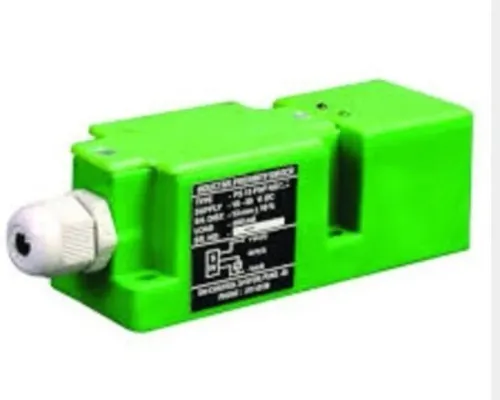
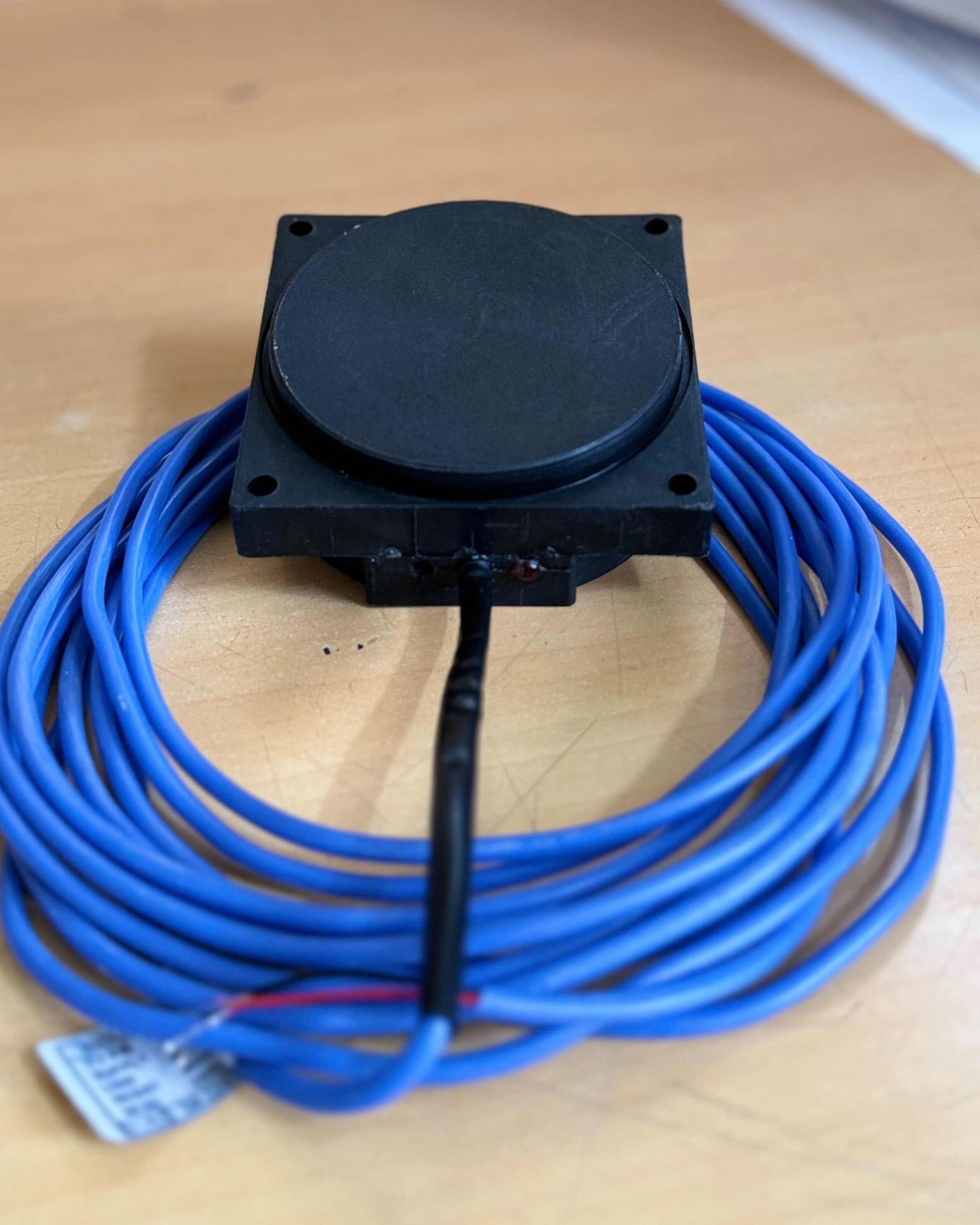
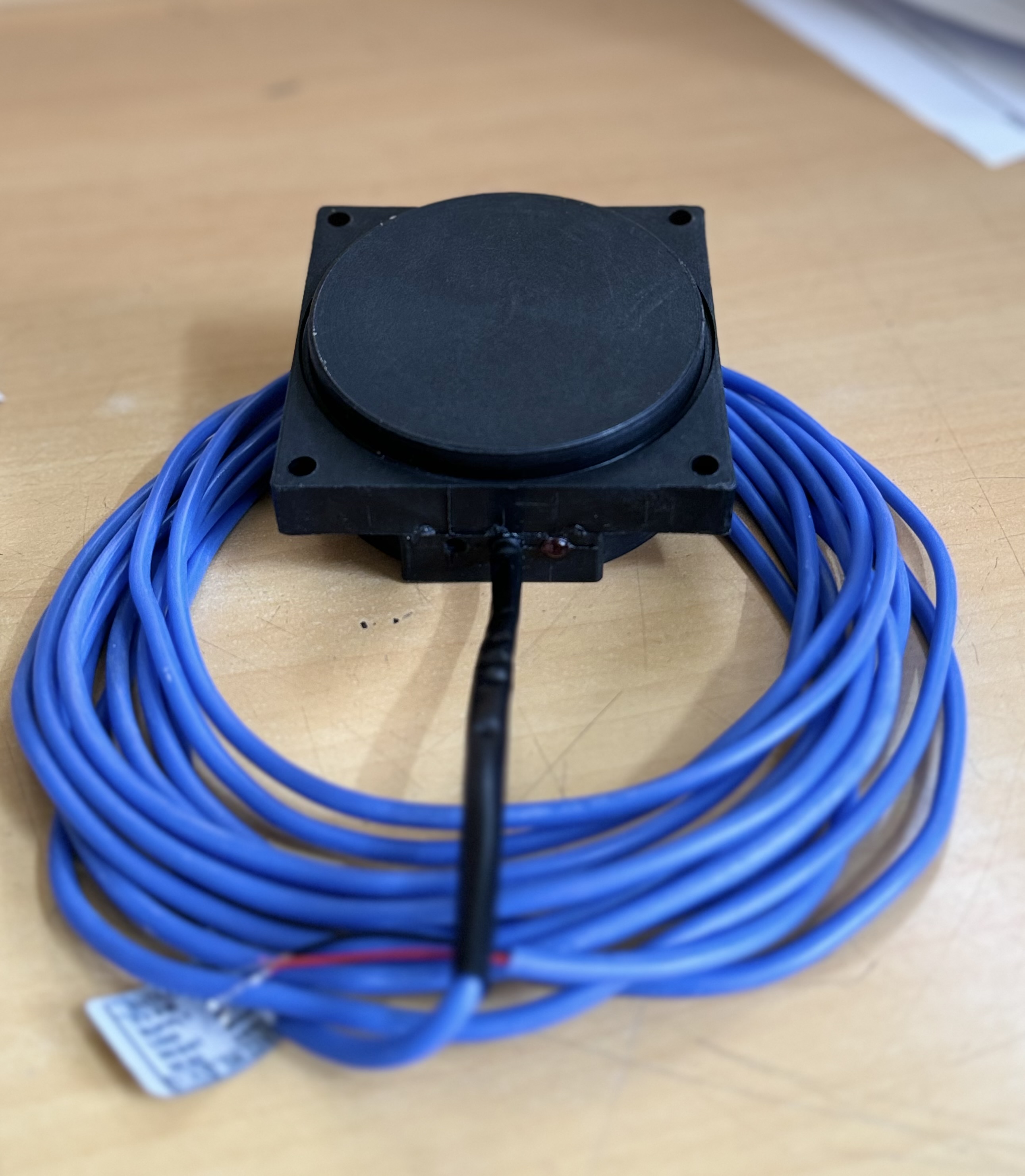 | Inductive Proximity Sensor Automatic Rail Track Grease Lubrication Sensor These sensors are used to detect passing trains, which activates the pump to deliver the correct amount of grease to the wheel flange and rail in... View product → |
Frequently asked questions
What type of rail grease sensor do you need?
First identify the monitored function: wheel or axle detection, reservoir grease level, pump pressure, grease flow, or applicator-output confirmation.
Which specifications must you match before ordering a replacement?
Match the supply voltage, output type, sensing range, thread or mounting dimensions, enclosure protection, connector, cable length, and operating temperature.
How can you tell whether the sensor or lubrication system has failed?
Check the sensor supply and output first, then inspect the controller input, reservoir level, pump pressure, tubing, grease flow, and applicator.
How should you test a replacement rail lubrication sensor?
Verify its mechanical fit, wiring, target detection, signal at the controller, and correct grease-system response during a controlled trackside test.