A longitudinal belt tear can keep travelling while the conveyor runs, turning one damaged section into a destroyed belt, spilled material and damaged transfer equipment. You will be able to identify the failures a rupture switch can detect, calculate whether its stopping distance and lifecycle cost fit your conveyor, and specify the surrounding protections it cannot replace.
Key takeaways
- Install rupture protection where a tear could cause major spill, downtime, or equipment damage.
- Match the device to the failure: longitudinal tears, belt drift, pull-cord trips, or blockage.
- Calculate detection and stopping distance from belt speed, sensor spacing, and brake response.
- Specify reset logic, ingress protection, testing access, and inspection intervals before purchase.
What Does a Belt Rupture Switch Actually Detect?
A rupture switch detects a longitudinal belt tear only when the damaged belt reaches its sensing element. The tear must expose, pull, or deflect that element as the belt travels; the switch then stops the conveyor and may limit material spill.
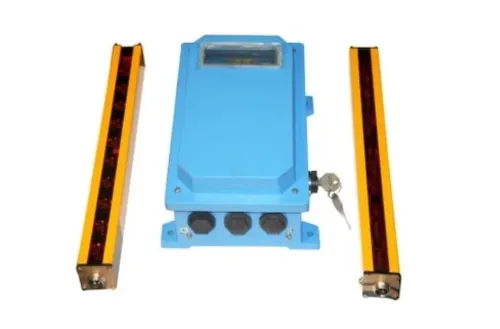
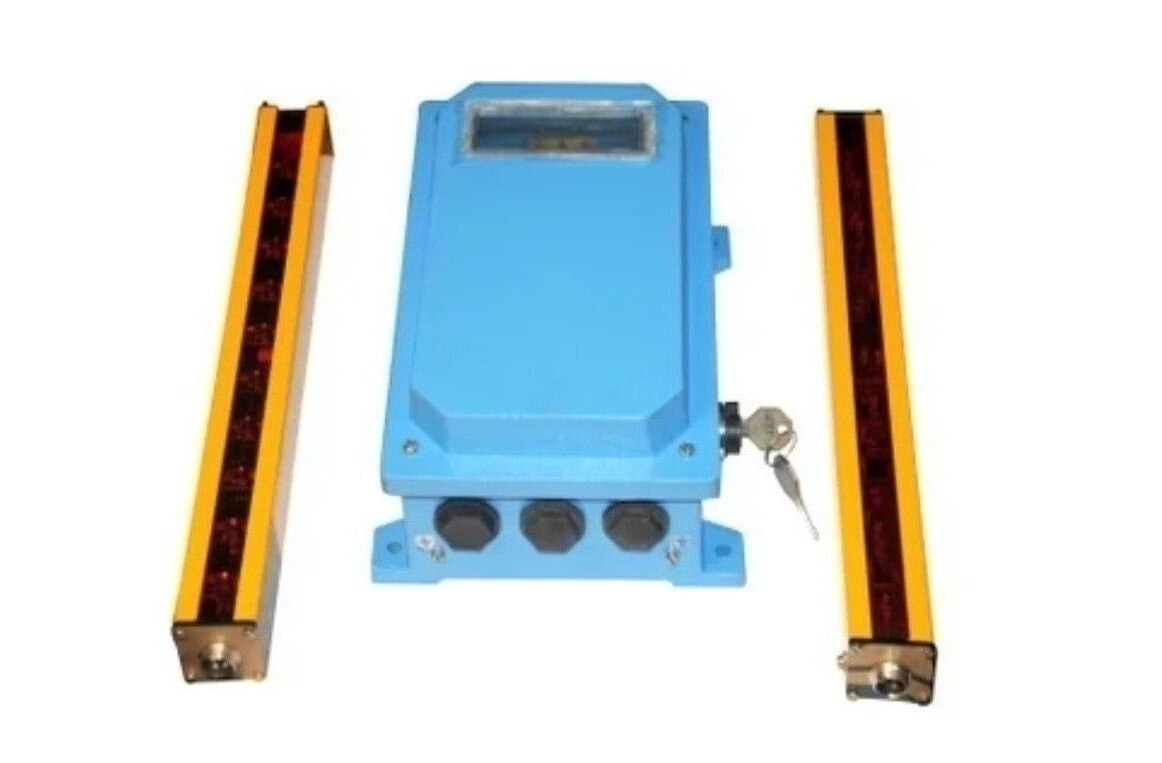
A dedicated arrangement may use a sensing loop or cross-belt rope beside or beneath the belt, mechanical probes that a torn edge strikes, or conductors embedded in the belt that transmit a designated rip signal. Belt construction, tear direction, loading geometry and sensor clearance decide whether the damaged section actually makes contact.
A loop-based belt rupture switch for conveyors in Mumbai therefore requires compatible rip cords or belt inserts; the product name alone proves nothing.
It does not automatically detect every transverse break, failed splice, cover defect or belt-misalignment event. A belt-sway switch handles lateral movement, while a separate detector may respond to a belt-integrated rip signal. Test the physical failure, not just the circuit:
- Confirm the actual belt can reach, pull or deflect the loop, rope or probe after a tear.
- Check clearance on the loaded and empty belt, including the return side.
- Verify that the sensing loop, splice and belt construction do not create nuisance trips.
- Simulate the intended activation and confirm a latched trip, deliberate reset and no automatic restart.
- Inspect carryback, vibration, water ingress and mistracking, which can interfere with sensing.
Electrical continuity alone cannot show that a real tear will activate the device.
Which Conveyor Protection Device Responds to Which Failure?
A rupture switch is a dedicated tear-detection device, not a pull-cord switch adapted for another purpose. Each device reacts to a different event:
| Device | Activating event | What it does |
|---|---|---|
| Belt rupture switch | Belt damage reaches its loop, rope, probe or other sensing element | Trips the drive after detecting the configured damage |
| Belt rip detector | A longitudinal tear or designated belt-integrated signal | Identifies a rip through the selected belt-compatible principle |
| Pull-cord emergency stop | A person pulls the cord after seeing danger | Provides a manual emergency stop |
| Belt-sway switch | The belt moves laterally out of alignment | Signals or stops the conveyor before drift causes damage |
| Zero-speed switch | Belt movement is absent or below the set speed | Detects a stopped belt, inadequate motion or drive-related loss of movement |
A belt tear switch for conveyor operators in Mumbai does not replace pull-cord emergency stops, guards, inspections, chute-plug protection or maintenance controls. Assess and wire these functions separately.
A rupture trip should latch, stop the drive, require inspection and need a deliberate reset. Resetting must never restart the conveyor automatically. The switch does not repair the belt, prevent every puncture or identify a slipping drive, blocked chute or gradual splice deterioration unless that failure activates its sensing mechanism.
Loss of power or broken field wiring should stop the conveyor or produce a diagnosed fault.
Which Conveyor Layouts Make Rupture Protection Valuable?
The highest-value conveyor belt rupture protection applications are long, high-throughput belts serving crushers, screens, transfer points, ship unloaders, ports, quarries, cement plants, coal and ore handling systems, and enclosed galleries. Early detection matters when a tear can release stored material, damage downstream machinery, contaminate product, or reach a populated work area.
Assess the belt and sensing geometry before choosing a device:
| Layout | Examine closely | Why it matters |
|---|---|---|
| Troughed belt | Width, speed, incline, loading-zone geometry, return-side access and distance from loading points or chutes to the sensor | A trapped tramp-metal fragment can start a longitudinal tear that continues beneath the load |
| Flat belt | Belt width, speed, edge access, incline, transfer alignment and probe clearance | A damaged edge may pass beside a sensor instead of activating it |
| Long belt | Distance from likely tear initiation points to each probe, loop or rope | A discharge-end detector can protect downstream equipment while an upstream tear destroys the belt |
Give special attention to loading points, transfer chutes and trapped-metal locations. Confirm that the damaged belt can physically reach or pull the sensing element; a device outside the tear path provides no protection.
For outdoor conveyors in Mumbai and Maharashtra, inspect enclosure, glands and exposed mechanisms for monsoon rain, washdown, abrasive dust and coastal salt. The case is strongest where replacement is difficult or delayed; it is weaker on short, visible belts with a rapid, tested shutdown.
How Do You Calculate Whether the Shutdown Will Arrive in Time?
Calculate the complete stopping distance before choosing a detector location. Distance equals belt speed multiplied by the total delay: detection time, control-logic delay and mechanical braking time. Add the effect of belt inertia, loaded mass and downhill conveying; these forces can make braking take much longer than the drive setting suggests.
| Cost or consequence | Include in the decision | Why it changes the result |
|---|---|---|
| Avoided damage | Belt, idlers, pulleys and transfer equipment | A tear can keep opening while the belt runs |
| Cleanup and production | Spilled material, contamination, labour and downtime | A shutdown can cost more than the damaged belt |
| Protection value | People nearby, stored belt material and adjacent equipment | Released material or debris increases consequence |
| System cost | Detector, mounting, cabling, proof testing and false trips | Installation is not the switch price alone |
Place the detector early enough that the belt stops before it travels beyond the section whose protection justifies the investment. Account for the chance that an operator will see the tear first, but do not treat visibility as protection when access is poor, the gallery is enclosed or the belt runs unattended.
The case is strongest for long, high-throughput belts that are difficult to replace or import, especially where a failure can damage expensive equipment or release material into a populated area. It is weakest for short, visible, low-value conveyors with a rapid, tested shutdown scheme.
Compare the expected avoided loss with the full lifecycle burden, not switch price against belt price.
What Should You Specify, Test and Maintain Before Buying?
Specify the failure before specifying the switch. A nominally compatible device cannot detect a tear if its sensing element misses the belt’s actual path.
1. Record belt width and speed, belt construction, rip cords or inserts, loading profile, expected tear direction, incline, ambient temperature, washdown, dust and hazardous-area classification. Include the required response time and the real belt-to-sensor clearance.
2. For a belt rupture switch for bulk handling, confirm the circuit’s actual voltage, current, inductive-load category, cable length and short-circuit protection. A contact rating is not a motor-starter rating; use a safety relay, PLC safety input or correctly rated interposing circuit where required.
3. Define the contact philosophy and fail-safe action. Loss of power or broken field wiring should stop the conveyor or create a diagnosed fault, not silently leave protection unavailable. Specify a latched trip, deliberate manual reset and a separate restart command.
4. Write the proof-test procedure into the purchase specification. Commission the real belt, sensing loop or probe, then test activation and reset—not only electrical continuity. Check nuisance trips from mistracking, damaged or incorrectly tensioned loops, splice interference, carryback, vibration and water ingress.
5. For coal, sulphur, grain or fertilizer dust, establish the hazardous-area classification before ordering. Approval may apply to the detector, glands, junction boxes and associated circuits. An IP rating alone does not prove corrosion resistance or immersion suitability in Mumbai monsoon, washdown or coastal-salt conditions.
SAI CONTROL SYSTEM belongs in the comparison only after the enquiry records these application details and the supplier demonstrates the complete installed circuit.
Related product
 | Pull Cord Switch Catering to the diverse demands of our clients, our organization is offering a quality range of Belt Rupture Tear Switch. View product → |
Frequently asked questions
What does a belt rupture switch actually detect?
It detects a longitudinal belt tear when the moving damaged belt exposes, pulls, or deflects the switch’s sensing element. The switch then sends a stop signal.
Which conveyor protection device responds to each failure?
A rupture or tear switch responds to longitudinal belt damage; a belt misalignment switch responds to drift; a pull-cord emergency switch responds to a person-initiated stop; and a zero-speed switch responds to belt stoppage or slip.
Which conveyor layouts make rupture protection valuable?
Protection is most valuable on long, enclosed, elevated, high-throughput, or hard-to-access conveyors where a tear can release material, damage the belt, or remain unnoticed before an operator reaches the line.
How do you calculate whether shutdown will arrive in time?
Calculate the belt travel before detection, add the distance travelled during control and brake response, and compare the total with the distance to the next vulnerable point or the maximum acceptable spill length.
What should you specify, test and maintain before buying?
Specify sensing method, belt speed range, switch location, enclosure rating, contact arrangement, reset method, cable routing, and stop-circuit compatibility. Test activation, shutdown, reset, and fault indication during commissioning and scheduled inspections.