The right detector depends first on what moves past the sensing point: a magnet, a conductive metal part, or a component that must be confirmed through a non-magnetic wall. Compare the target, usable sensing distance, output circuit, switching load and maintenance requirements before treating either device as interchangeable.
Key takeaways
- Use a reed switch when the moving part carries a magnet.
- Use an inductive sensor for metal targets without a separate magnet.
- Treat rated sensing distance as a test value, not a guaranteed operating gap.
- Confirm load type, voltage, current and connector wiring before replacement.
How each sensor detects its target
A magnetic reed switch detects an external magnetic field, not the target material itself. Two ferromagnetic reeds inside a sealed glass capsule move together or apart as the field changes. A separately mounted permanent magnet, or a magnetic target built into the moving part, actuates the switch through a non-magnetic cover.
| Sensor | Detection principle | Target and output |
|---|---|---|
| Magnetic reed switch | Magnet moves the internal reeds | Magnet or magnetic target; passive contact |
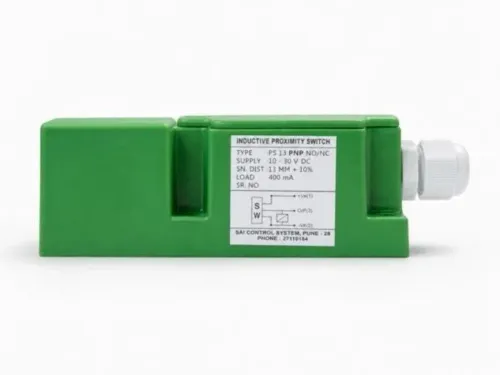
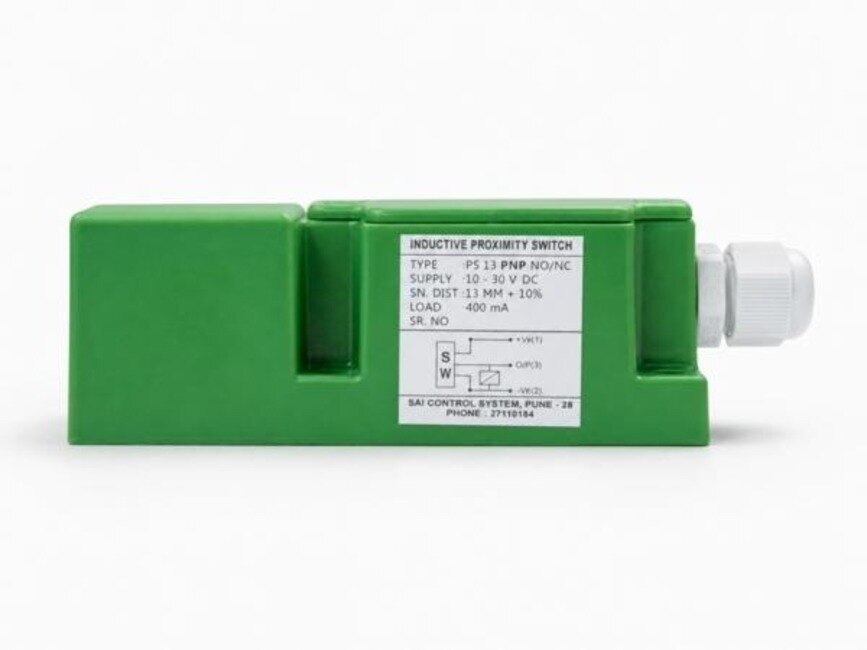
| Square type inductive proximity sensor | Alternating field detects eddy-current changes | Conductive metal; powered electronic output |
In a normally open reed switch, the contacts close when the field reaches the operate point and open when the magnet moves away. A normally closed version opens when actuated. Ask for operate and release sensitivity: magnet strength, orientation and the intervening wall determine the actual gap, so a stated nominal distance is not enough.
A square type inductive proximity sensor needs DC power and normally will not detect plastic, glass or ordinary rubber. It detects a metal part without a magnet, while the reed principle suits sealed cylinders, doors, floats and position confirmation through a wall.
Choose inductive detection when the moving target is already metal and adding a magnet would complicate the machine; choose a reed switch when the target can carry a magnet or must remain isolated from the sensor.
Match the sensor to the machine movement
Use a magnetic reed switch for pneumatic-cylinder position confirmation, access doors, non-safety guard monitoring, float mechanisms and sealed level assemblies. It can detect a piston magnet through an aluminium or plastic cylinder barrel without exposing the switch to the process.
| Option | Best target or movement | Main trade-off |
|---|---|---|
| Magnetic reed switch | Magnet-equipped pistons, doors, floats and sealed level mechanisms | Passive contact, mechanical bounce and finite contact life |
| Square type inductive proximity sensor | Metal workpieces, conveyor components, gear teeth, cams, brackets and end-of-travel stops | Requires DC power, alignment and a conductive metal target |
| Reed switch for counting | Magnet-triggered position or part pulses | Add PLC debounce filtering or a timer to reject bounce |
| Inductive sensor for counting | Repeated metal targets at speed | Fast electronic switching and high repeatability |
| Either sensor for guards | Non-safety status indication only | Neither is automatically a personnel-safety device |
Choose induction when no magnet is available. A reed contact introduces contact resistance and can arc or wear; an inductive sensor avoids mechanical contact wear but still needs clean mounting and protection from impact or metal swarf.
For a reed signal that confirms position, filter the PLC input or use a timer when bounce could create false transitions. Check alignment for either technology, because a dirty or poorly positioned sensor can turn a sound choice into an intermittent fault.
For conveyor guard interlocks or emergency stops, specify a safety-rated device, diagnostic architecture and required fault behaviour. A standard reed switch or general-purpose square type inductive proximity sensor cannot provide that protection alone.
Why the published sensing distance is not the guaranteed gap
A catalogue value such as 15 mm is a reference, not a universal trip point. Under IEC 60947-5-2 terminology, use Sa for design decisions and treat Sn as the nominal sensing distance measured with a specified standard target under defined test conditions.
| Term | What it means | Design use |
|---|---|---|
| Sn | Nominal sensing distance from the standard target test | Compare catalogue models, not machine clearance |
| Sa | Assured operating distance | Set the real target gap within this range |
| Hysteresis | Difference between operate and release distances | Allow for vibration and target movement so the output does not chatter |
Ask which target material, dimensions and thickness produced the stated value. A small or thin target presents less metal to the sensing field than the standard target.
Aluminium, brass, copper and stainless steel can produce shorter effective ranges than mild steel; the correction factor depends on the sensor and target, so do not apply a generic percentage.
Check approach direction, target face area, runout and clearance around the sensing face. Flush and non-flush construction are different: a flush unit can sit level with surrounding metal within its specified conditions, while a non-flush unit needs open space around the face. Ignoring that space can reduce range or cause false operation.
Before designing a 15 mm gap for a square type inductive proximity sensor, request Sa, hysteresis, the target test standard, material correction data and the mounting drawing. Verify the actual target rather than relying on the housing size or headline range.
Wire the output and protect the switching load
For a PNP normally open square type inductive proximity sensor, connect the positive supply to the sensor’s supply terminal, 0 V to its 0 V terminal, and that same 0 V to the PLC input common. When metal enters the sensing field, the output sources positive voltage into the PLC input.
An NPN sensor does the reverse: its output sinks the PLC input toward 0 V. Match the PLC common and input arrangement to the controller’s wiring scheme, or the sensor can appear powered without registering.
Normally closed logic reverses the idle and actuated states, so verify terminal labels and the output diagram instead of assuming wire colours.
For a magnetic reed switch, define the switching load before connecting it. Specify:
- Contact arrangement: normally open, normally closed or changeover
- Maximum switching voltage, with separate AC and DC current ratings
- Cable length or connector type
- Load type: PLC input, relay coil, solenoid or contactor
Inductive and capacitive loads create back-EMF or inrush that can weld or erode reed contacts. Fit a flyback diode across a suitable DC coil, an RC snubber or varistor where appropriate, or a correctly rated interposing relay. Check contact bounce and enable PLC filtering when the application needs a stable state.
A reed switch is passive; the inductive sensor requires DC power.
What to request from a Pune supplier before replacing a sensor
Before approving a replacement, give a magnetic reed switch supplier in Pune the electrical and mechanical details that determine interchangeability:
- Contact arrangement: normally open, normally closed or changeover; operate and release sensitivity; maximum switching voltage and current; separate AC and DC load ratings.
- Cable length, conductor count, connector or gland type, environmental rating, and expected electrical and mechanical life.
Give a square inductive sensor supplier in Pune these specifications:
- IEC-style Sn and Sa, test-target material and dimensions, flush or non-flush construction, PNP or NPN output, normally open or normally closed behaviour.
- Supply-voltage limits, residual current, voltage drop, switching frequency, IP rating and operating-temperature range.
Ask for the mounting drawing and wiring diagram before ordering.
| Option | Compare | Why it matters |
|---|---|---|
| Magnetic reed switch | Magnet-actuated passive contact | Suits cylinders, doors, floats and sealed position confirmation; requires a magnet and has contact wear and bounce |
| Square inductive sensor | Electronic detection of conductive metal | Suits cams, teeth, brackets and conveyor parts; needs DC power and correct target clearance |
Compare the replacement with the PLC input, wiring arrangement and real target, not its square body alone. Record target dimensions, approach speed, contamination, ambient temperature and the required failure state. SAI CONTROL SYSTEM can help match components to a Pune conveyor, cylinder or material-handling installation, but local stock does not prove drop-in equivalence.
Choose reed sensing for magnet-based confirmation; choose inductive sensing for repeatable metal detection.
Related products
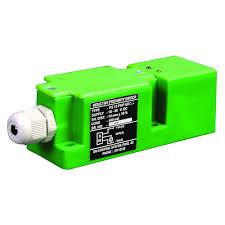 | Inductive Proximity Sensor Square Type Inductive Proximity Sensor The Square Type Inductive Proximity Sensor from Sai Control Systems is a high-performance, non-contact sensor designed for efficient and reliable... View product → |
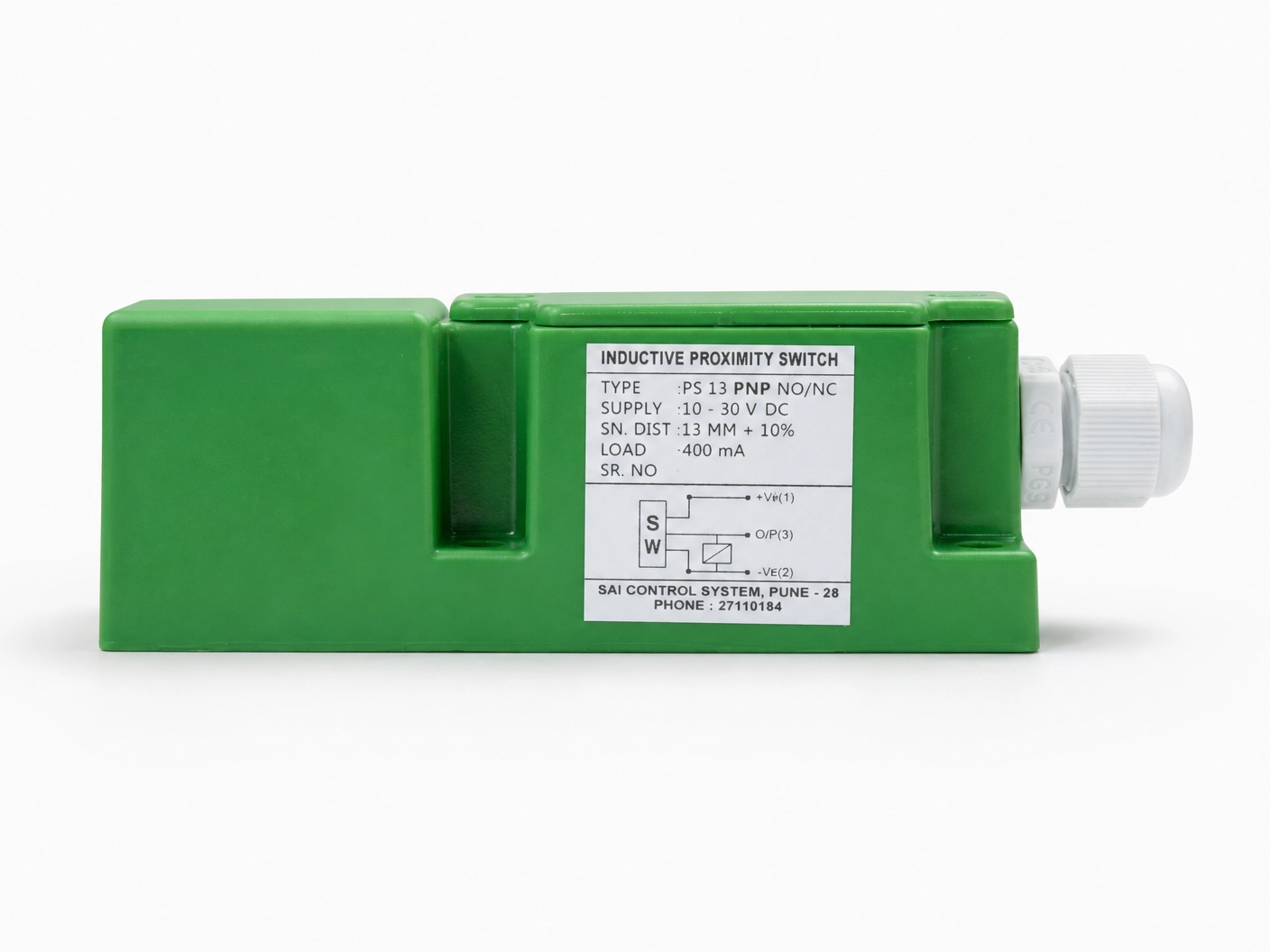 | Inductive Proximity Sensor Model: IPS13PNODF40 Size : 40*40*112mm Logic : PNP NO Sensing Distance : 15mm Sensing Face : Front Connection : PG Gland View product → |
Frequently asked questions
How does a magnetic reed switch detect a target?
A magnetic reed switch detects an external magnetic field. A permanent magnet or magnetic target moves the sealed internal reeds together or apart.
How does a square inductive proximity sensor detect a target?
A square inductive proximity sensor creates an electromagnetic field and detects changes caused by a nearby metal target. It does not require a separate magnet.
Why is the published sensing distance not the guaranteed gap?
Published sensing distance depends on a standard target and test conditions. Target size, metal type, mounting, alignment and temperature can reduce the usable gap.
What should you confirm before replacing a sensor in Pune?
Give the supplier the existing sensor’s part number, supply voltage, output type, load details, sensing gap, mounting dimensions and connector or wire colours.
Related product
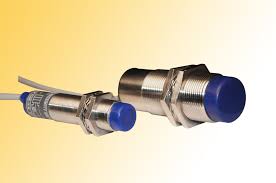 | Inductive Proximity Sensor The Inductive Proximity Sensor from Sai Control Systems is a vital component for modern industrial automation, offering non-contact metal detection... View product → |